

Orangeburg Pipe: Everything You Need to Know Before a Problem Occurs
Orangeburg Pipes: A Hidden Issue in Many Homes Built Between 1945 and 1975
It is easy to forget about sewer lines when thinking about the risks that could threaten your property, but it can be costly.
Among the materials frequently encountered by pipe specialists, one of the most well-known to professionals—and the most unknown to homeowners—is Orangeburg, also referred to as No-Corrode / NoCorrod or bituminous fiber pipe.
If your building was built between 1945 and 1975, it is possible that this type of pipe could be part of your plumbing system.
What Is Orangeburg?
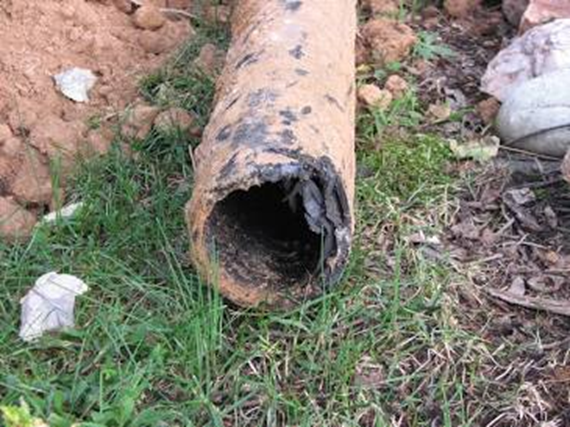
Orangeburg is a type of pipe manufactured primarily from compressed wood fibers (cellulose) impregnated with coal tar/bitumen.
Originally developed in the United States as a conduit for electrical wiring, it was repurposed in the 1940s to provide an economical alternative to cast iron and clay sewer pipes during the post war housing boom.
While this solution might seem almost humorous today, at the time it represented an innovative option:
- Light weight
- Low cost
- Easy to install
- Readily available
Millions of linear feet of this piping were installed across North America.
Why Is Orangeburg Problematic Today?
While these pipes provided reliable service for several decades, they were not designed to last this long and have now started to reach the end of their useful service life. Consequently, several issues are beginning to surface:
Softening
Moisture, temperature fluctuations, and aging can reduce the material’s rigidity and compromise the structural integrity of the pipe.
Deformation and Diameter Reduction
Soil pressure and material aging can cause gradual crushing of the pipe. Tree roots also tend to wrap around bituminous fiber pipes, further squeezing and reducing their diameter. These deformed sections can restrict or entirely prevent wastewater evacuation.
Infiltration
Aging joints and deteriorating walls can allow water leakage or root intrusion.
What Are the Signs of an Orangeburg Pipe in Poor Condition?
A pipe can be severely damaged even if it is not completely blocked.
Here are some common symptoms:
- Slow-draining fixtures
- Recurrent blockages
- Sewer odors
- Occasional sewer backups
- Presence of tree roots
Since these symptoms are not exclusive to Orangeburg pipes, a camera inspection is necessary to accurately identify the root cause of the issue.
How Can I Find Out if My Home Has an Orangeburg Pipe?
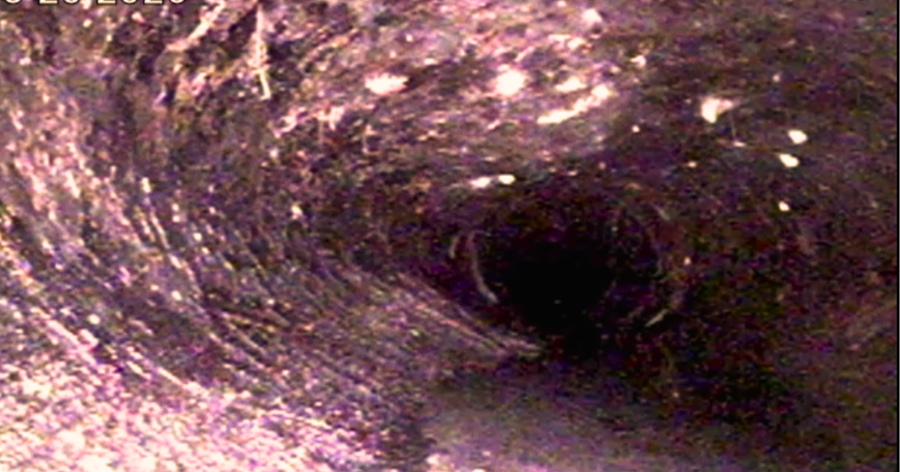
The most reliable method is to perform a sewer camera inspection.
This inspection allows technicians to:
- Confirm the pipe material
- Verify its shape and structural integrity
- Locate root or water infiltration
- Measure the degree of deformation
In many cases, homeowners only discover the existence of an Orangeburg pipe during a pre-purchase home inspection or after recurring plumbing issues arise.
Does an Orangeburg Pipe Always Need to Be Replaced?
Not necessarily. The presence of an Orangeburg pipe does not automatically mean an emergency replacement is required.
The decision depends on:
- Structural condition
- Degree of deformation
- Presence of infiltration
- Frequency of blockages
While severely deteriorated pipes will need to be replaced or lined, others can continue to function properly with periodic inspections.
Is a No-Dig Repair Possible?
In most cases, yes. The FORMADRAIN structural pipe lining solution is particularly well suited for No-Corrode pipes. Composed of a fiberglass laminate and steam-cured epoxy resin, these CIPP (Cured-In-Place Pipe) liners restore the original shape, strength, and watertight seal of a brand-new pipe directly inside the old line.
However, the pipe must meet certain conditions for trenchless rehabilitation to be technically feasible. For example:
- The pipe must be accessible
- Must not be fully collapsed
- Sufficient residual diameter must remain
A camera inspection is essential to evaluate the situation properly.
Key Takeaways
An Orangeburg pipe is not necessarily an immediate emergency, but its nature and age warrant special attention.
The best time to assess the condition of a sewer line is before a major problem occurs.
A camera inspection helps separate facts from assumptions and determines which solutions are truly suited to your situation: maintenance/cleaning, repair/lining, or full replacement.